 The easiest bath bomb for a beginner to make is a one-bowl recipe using baking soda, citric acid, Epsom salt, and cornstarch, bound with a light mist of witch hazel and pressed into a silicone mold. This Lavender Cloud Fizzer takes about 20 minutes of hands-on time, uses no special equipment, and comes out of the mold looking like a swirled purple-and-white cloud with real lavender buds pressed into the top. Below is the full recipe, plus exactly what it looks like when it hits the water.
Where this recipe came from
After seven years of running a bath bakery, I still love seeing what home crafters are doing in their kitchens. Before writing this recipe, I read through dozens of amateur bath bomb tutorials on blogs and social media, and a handful of them genuinely impressed me. This recipe is my own formula, but it was inspired by the best ideas from each of these makers, so credit where credit is due:
- Ruffles and Rainboots’ no-fail lavender bath bombs – her “dump everything in one bowl” approach and her witch hazel spray bottle technique are the least stressful binding method I have seen anywhere, and her tip to split the mixture before coloring is what makes the two-tone swirl in this recipe possible.
- Lovely Greens’ homemade lavender bath bombs – Tanya’s advice to skip two-part sphere molds and use a silicone cavity mold instead removes the single biggest cause of beginner heartbreak. Her trick of sprinkling dried lavender buds into the mold before packing is what gives this fizzer its decorated crown.
- SavvyHomemade’s DIY bath bomb recipe – the inclusion of Epsom salts for a more indulgent, muscle-soothing soak comes straight from this one. It is a lovely, well-tested beginner formula.
- Feast for a Fraction’s DIY bath bomb recipe – a great reminder that almost everything you need is already in your kitchen, and the source of the golden rule repeated below: add your liquids slowly, or the fizz happens in the bowl instead of the bath.
- Inspired by Charm’s DIY bath bombs – Michael colors each bath bomb to match the mood of its essential oil. That idea shaped this one: lavender oil for winding down, dressed in a color to match.
If you enjoy this recipe, go show those makers some love. Then, when you are ready to level up, come back for my floating bath bomb master recipe and my moisturizing butter bath bomb.
What you need
Ingredients (makes 4 to 6 fizzers)
- 1 cup baking soda
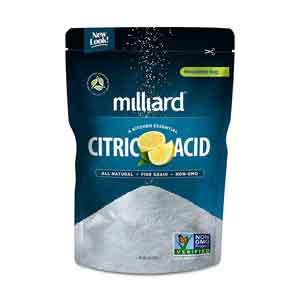
- 1/2 cup citric acid (fine grain gives a smoother, harder bomb)
- 1/2 cup Epsom salt
- 1/4 cup cornstarch
- 2 tablespoons coconut oil, melted (or sweet almond oil)
- 20 drops lavender essential oil
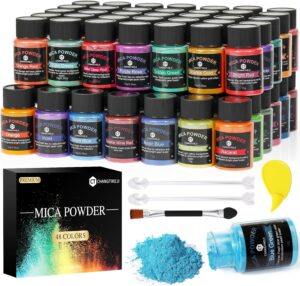
- Violet mica powder or a toothpick-dab of purple gel color
- 1 tablespoon dried lavender buds
- Witch hazel in a small spray bottle
Equipment
- One large mixing bowl, one small bowl
- A whisk and your (gloved) hands
- A silicone cavity mold – a silicone muffin tray works perfectly
The method
- Mix the dry ingredients. Whisk the baking soda, citric acid, Epsom salt, and cornstarch together in the large bowl. Rub out every clump with your fingertips. Clumps now mean craters later.
- Add the oils. Stir the lavender essential oil into the melted coconut oil, then drizzle it into the dry mix a little at a time, whisking constantly. Slowly is the word. If you dump it in, the citric acid and baking soda start reacting in the bowl and you waste your fizz. When it is fully worked in, the mixture should feel like slightly damp sand.
- Split and color. Pour half the mixture into the second bowl. Add a small amount of violet mica or gel color to one half only and work it through with your hands until it is an even soft purple. Leave the other half snowy white.
- Bind with witch hazel. Working one bowl at a time, spritz two or three sprays of witch hazel over the surface, then mix fast with your hands. Squeeze a handful: if it holds together like a sandcastle and does not crumble, it is ready. If not, spritz once or twice more and test again. Less is more here. Too much liquid sets off the fizz early and makes the bombs expand and crack as they dry.
- Dress the mold. Sprinkle a small pinch of dried lavender buds into the bottom of each mold cavity. A light hand looks elegant; a heavy hand looks like potpourri soup.
- Pack in the swirl. Add a loose handful of purple mix and a loose handful of white mix to each cavity in rough alternating clumps, then press down firmly with your thumbs. Press again, harder. The two colors compress into a natural marbled swirl, and no two fizzers come out the same.
- Dry and release. Leave the mold somewhere dry overnight. In the morning, flex the silicone gently and each fizzer pops out cleanly. Let them air-dry another few hours, then store in an airtight container. They keep their full fizzing power for around six months.
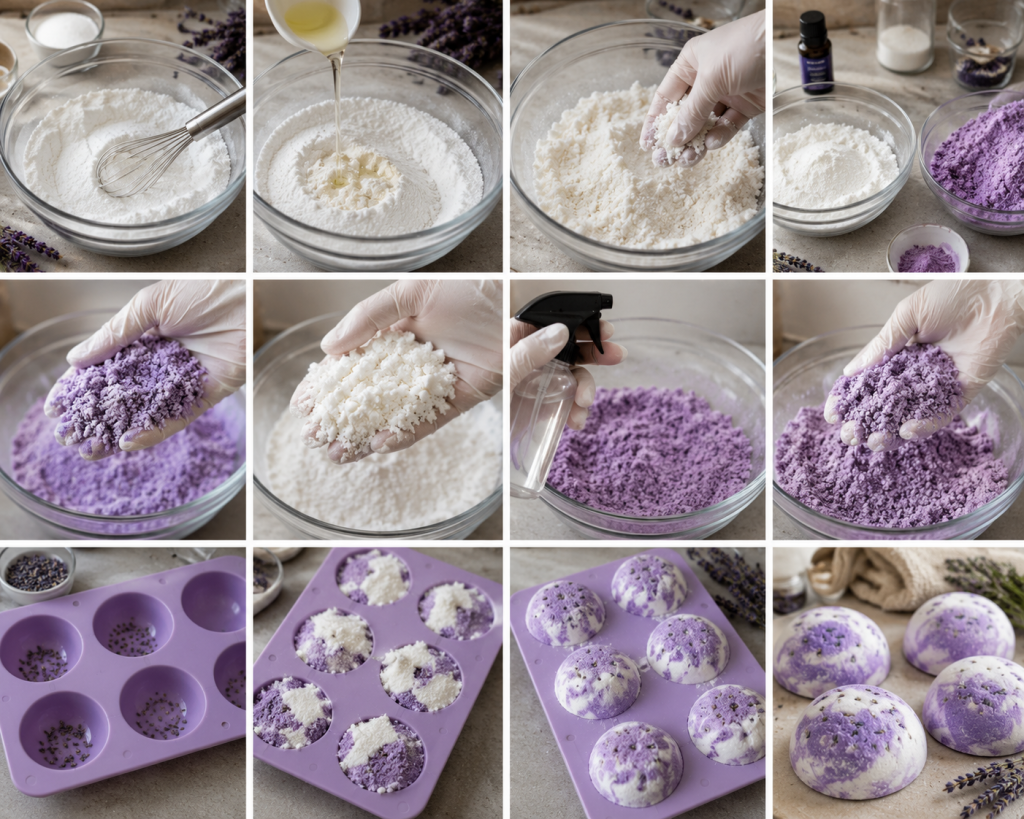
What the finished Lavender Cloud Fizzer looks like
Out of the mold, each fizzer is a squat dome about the size of a large cupcake, dense and heavy in the hand like a piece of chalk. The surface is a marbled swirl of soft violet and bright white, with no hard edges between the colors – they blur into each other the way milk swirls into tea. The top is crowned with a scatter of tiny dried lavender buds, deep dusty purple against the pale surface, pressed flush into the dome so they look almost embroidered in. If you used mica, the purple regions carry a faint pearly shimmer that catches the light when you turn the fizzer over. Held to your nose, the scent is unmistakable: clean, floral, herbal lavender with a faint warm sweetness from the coconut oil underneath.
And in the bath…
Lower it into a warm tub and it starts working the instant it touches the surface. A hiss of fine white fizz erupts around the base and the fizzer begins to glide slowly across the water, trailing ribbons behind it: bright white foam from the pale sections and streams of lilac from the purple ones, twisting around each other like smoke. The lavender buds lift free one by one and drift across the surface as tiny floating petals.
Over the next three to five minutes the dome shrinks steadily, spinning lazily as it dissolves, and the bathwater deepens from clear to a soft, milky lilac – pastel rather than lurid, like early evening sky. The Epsom salt dissolves invisibly into the water while the coconut oil spreads out as a barely-there silky sheen that you feel more than see. The scent blooms upward with the steam and fills the whole bathroom with lavender. When the last of the fizzer melts away, you are left with warm, faintly shimmering purple water, a few lavender buds floating on top, skin-softening oil all through it, and a very good excuse not to get out for a while.
Pro tips from the bakery
- Do not make these on a rainy or humid day. Moisture in the air can set the reaction off before you ever reach the bath.
- Wear gloves. Citric acid is tough on nails and drying on skin.
- If a fizzer cracks while drying, it had too much witch hazel. Crumble it up, re-press it, and call it a rustic one.
- Want it to float and spin like a LUSH bomb? That takes two extra ingredients – get the full technique in my floating bath bomb recipe.
- For a richer, skin-conditioning version with butters, graduate to the butter bath bomb master recipe, our best seller for seven years running.
Made a batch? Tag us on Instagram @howtobathbombs – I would love to see your swirls.